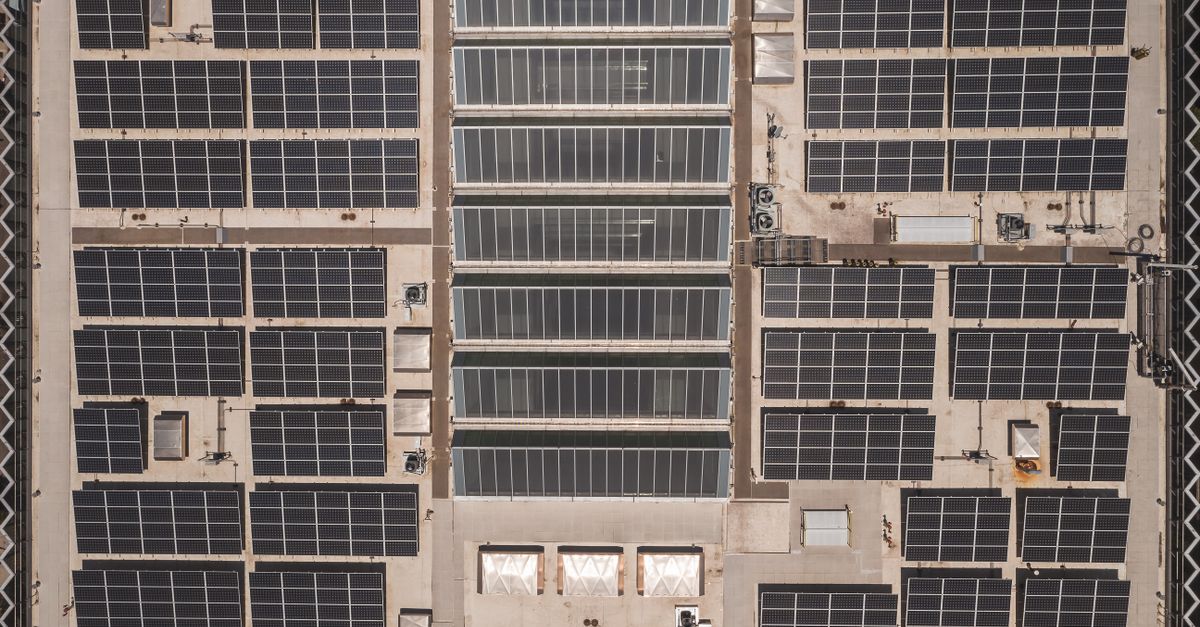
Efficient Installation Techniques for Commercial Solar Projects
Table Of Contents
Project Management Best Practices
Effective project management in commercial solar installations hinges on thorough planning and clear communication among all stakeholders. Establishing a detailed project timeline with key milestones helps keep the team focused. Regular progress meetings ensure that any potential issues are identified early. Stakeholders must remain engaged throughout the project lifecycle to facilitate swift decision-making and resolve challenges that may arise.
Resource allocation is another critical element in successful solar project management. Properly assessing the skills and availability of team members allows for more efficient use of human resources. Equipment procurement should be synchronised with project timelines to prevent delays. Additionally, maintaining strong relationships with suppliers can lead to better support and timely deliveries, ultimately keeping the project on track and within budget.
Coordinating Schedules and Resources
Efficient scheduling is crucial for the timely completion of commercial solar projects. Resource allocation should align with project milestones to ensure that all teams can perform their tasks without delays. Establishing a clear timeline enhances collaboration and allows for better communication among contractors, suppliers, and other stakeholders. Using project management software can improve visibility and keep everyone informed about upcoming deadlines and resource availability.
Managing multiple teams can lead to scheduling conflicts if not carefully coordinated. Regular check-in meetings can help identify potential bottlenecks early, allowing for adjustments before they become significant issues. Clear responsibilities should be defined to prevent overlaps and ensure that all staff are focused on their specific tasks. By maintaining a flexible approach, teams can adapt to changing circumstances without derailing the entire project timeline.
Safety Protocols During Installation
Establishing clear safety protocols is vital for minimising risks during the installation of solar systems. Conducting thorough risk assessments before commencing work can help identify potential hazards and implement appropriate measures. Regular safety briefings ensure that all personnel are aware of the procedures and expectations. Moreover, providing safety gear like helmets, gloves, and harnesses is essential for protecting workers on-site. Maintaining a clean work environment further reduces the likelihood of accidents, keeping pathways clear and materials organised.
Training is another critical aspect of promoting safety during installation. Engaging workers in ongoing education about best practices and potential hazards fosters a culture of safety. Utilising qualified supervisors to oversee operations ensures adherence to safety protocols and provides guidance in case of emergencies. Moreover, establishing a clear communication strategy enhances collaboration and allows team members to report concerns promptly. Regular inspection of equipment guarantees that tools are safe and functional, reducing the risk of injury.
Ensuring a Secure Working Environment
Creating a secure working environment is paramount for the safety of all personnel involved in solar installation projects. Comprehensive training should be provided to all team members, covering potential hazards specific to solar technology and installation procedures. Workers must be equipped with personal protective equipment (PPE) such as helmets, gloves, and harnesses to mitigate risks associated with working at heights and with electrical components. Regular safety drills can enhance readiness and ensure that everyone knows how to respond effectively in emergencies.
In addition to training and protective gear, the site itself must be properly organised to prevent accidents. Clear pathways and signage can guide workers and keep them informed about potential hazards. Tools and materials should be stored securely, reducing tripping hazards and ensuring that everything is within easy reach. Conducting routine safety inspections helps identify and rectify any safety concerns before they escalate, allowing for a proactive approach to maintaining a secure working atmosphere.
Integrating Solar Systems with Existing Infrastructure
The integration of solar systems into existing infrastructure requires careful analysis of compatibility and structural considerations. It is essential to evaluate the existing electrical systems and their capacity to handle additional loads generated by solar installations. Conducting a thorough assessment of roof space, orientation, and shading is crucial to ensuring maximum energy generation. Collaborating with engineers and architects can help identify potential modifications necessary for supporting solar panels and inverters.
In addition to structural assessments, attention must be directed towards the existing systems' compliance with local regulations and standards. Ensuring that the integration aligns with safety codes is vital for regulatory approval and long-term performance. The choice of materials and equipment also plays a significant role in achieving optimal efficiency and longevity of the solar installations. By addressing these critical factors, businesses can facilitate a smooth integration process, harnessing the benefits of solar energy while maintaining the integrity of their infrastructure.
Compatibility and Structural Considerations
When undertaking a commercial solar installation, assessing the compatibility of the solar systems with the existing infrastructure is crucial. This involves evaluating the structural integrity of rooftops or other installation sites to ensure they can support the added weight and dimensions of the solar panels. Considerations include the material and age of the existing structures, as well as any potential modifications needed to maintain compliance with local building regulations. Moreover, understanding the electrical systems already in place can help streamline the integration of solar technologies, minimising disruption while maximising efficiency.
Another important factor involves aligning the solar installation with the operational requirements of the business. Solar systems must be selected not only for their energy output but also for their ability to function within the specific conditions of the site. This might include considerations like shading from nearby structures, the orientation of panels for optimal sun exposure, and integration with current energy management systems. An effective compatibility assessment, therefore, not only helps ensure a successful installation but also supports the long-term performance of the solar solution.
FAQS
What are the key project management best practices for commercial solar installations?
Key project management best practices include thorough planning and scheduling, effective communication among teams, resource allocation, and regular progress monitoring to ensure that the project stays on track and within budget.
How can schedules and resources be effectively coordinated in solar projects?
Effective coordination can be achieved by using project management software to track timelines and tasks, holding regular meetings to discuss progress, and ensuring that all team members are aware of their responsibilities and deadlines.
What safety protocols should be followed during the installation of solar systems?
Safety protocols include conducting risk assessments, providing safety training for all workers, using personal protective equipment (PPE), and ensuring that all equipment is properly maintained and used according to guidelines.
How can a secure working environment be ensured during solar installations?
A secure working environment can be ensured by implementing safety barriers, conducting regular safety audits, maintaining clear communication about safety practices, and adhering to local safety regulations and standards.
What considerations should be made when integrating solar systems with existing infrastructure?
Considerations include evaluating the compatibility of the solar systems with the existing infrastructure, assessing structural integrity, ensuring compliance with local building codes, and planning for potential upgrades or modifications to support the new system.
Related Links
Tips for Seamless Installation of Solar Battery SystemsBest Practices for Solar Panel Roof Installation in Adelaide
Understanding the Importance of Angle and Orientation in Solar Installation
Selecting the Right Mounting Systems for Adelaide's Climate
Step-by-Step Guide to Installing Solar Carports