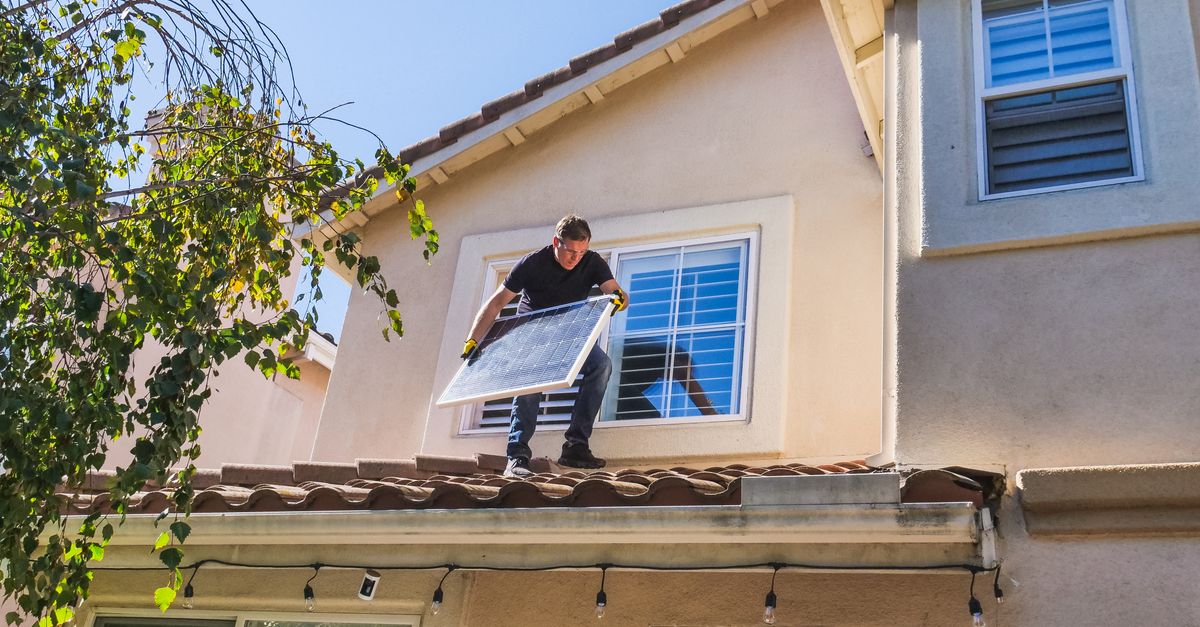
Frequency of Cleaning Solar Panels in Varying Weather Conditions
Table Of Contents
Humid Weather and Its Influence on Solar Panel Care
Humidity can significantly impact the condition and efficiency of solar panels. In moist environments, water droplets become trapped on the surface, leading to the accumulation of dust and dirt. Over time, this build-up can hinder the solar panels' ability to absorb sunlight effectively. Cleaning during periods of high humidity is essential to maintain optimal performance. Regular maintenance checks can prevent any long-term damage that may arise from neglect.
Moreover, humid conditions promote the growth of mould and mildew, which can further obstruct panel efficiency. These growths can result from organic matter accumulating on the surface, particularly if the panels are not cleaned frequently. It is vital to monitor solar panel cleanliness, especially in regions prone to high humidity. Implementing a cleaning schedule adapted to local weather patterns can help ensure that solar panels remain efficient and free from detrimental organic growth.
Understanding Mold and Mildew Risks
Mold and mildew thrive in warm, humid conditions, making certain climates particularly concerning for solar panel durability and efficiency. When moisture accumulates on the surface of solar panels, it creates an environment where these fungi can flourish, potentially leading to unsightly stains and reducing solar panel performance. Regular inspection in such conditions becomes essential to ensure any initial signs of growth are promptly addressed before they escalate.
The presence of mold can also exacerbate the deterioration of the panel materials over time. This degradation not only impacts energy absorption but may also lead to costly repairs or replacements. Maintaining a clean surface helps mitigate these risks, allowing for optimal sunlight exposure and prolonged lifespan of the solar system. Awareness of the environmental factors contributing to mold and mildew can significantly influence cleaning schedules and techniques.
Seasonal Variations in Cleaning Requirements
Cleaning solar panels is not a one-size-fits-all task, as the requirements can shift with the seasons. In spring, uplifting winds might lead to pollen accumulation, necessitating more frequent cleaning to maintain efficiency. Rainfall during this season can help, but showers often leave behind residue, so a careful inspection is crucial post-rain.
Summer poses its own challenges, particularly in areas with dust storms or intense sun exposure that can lead to grime build-up. Regular checks during this hot season are important to ensure panels do not become coated in dirt or debris, which can significantly affect energy production. Autumn often introduces falling leaves, making it essential to clear panels promptly to avoid shading and maintain optimal performance through the longer days of sunlight.
How Different Seasons Affect Solar Panel Performance
The performance of solar panels is influenced significantly by seasonal changes. In summer, longer daylight hours and increased sunlight intensity often lead to higher energy production. However, the accumulation of dust, pollen, and bird droppings can also rise, necessitating more frequent cleaning to maintain optimal efficiency. In contrast, winter months can see reduced energy production due to shorter days and inclement weather. Snow accumulation can obstruct solar panels, further hampering their ability to generate power.
Autumn and spring present their own unique challenges. During autumn, falling leaves can cover solar panels and limit sunlight exposure, while spring can bring rains that wash away debris but may also promote the growth of mould if not cleaned regularly. Each season carries its specific considerations for maintenance that directly impacts overall energy output. Understanding these nuances can help ensure that solar panels operate at maximum efficiency throughout the year.
The Best Time of Year for Solar Panel Cleaning
Late spring and early autumn are often regarded as the ideal times for cleaning solar panels. During these months, the weather tends to be mild, reducing the strain on both the panels and those performing the cleaning. Additionally, less rain and lower humidity levels can lead to improved visibility and safer conditions. This timeframe also aligns well with the periodic accumulation of dust, pollen, and bird droppings, ensuring that a cleaning session will effectively enhance energy productivity.
Regular cleaning in these seasons can contribute to optimal performance. With the sun shining more consistently, any buildup of debris can hinder the panels' ability to capture sunlight efficiently. Removing contaminants during these months allows for maximum solar absorption as the days lengthen leading into summer. Spring cleaning prepares the panels for the increased output needed during peak sunlight, while autumn cleaning helps maintain efficiency as daylight decreases.
Optimal Conditions for Effective Maintenance
The ideal conditions for maintaining solar panels involve a combination of clear, dry weather and moderate temperatures. Cleaning in direct sunlight can lead to fast drying of soap solutions, which might leave streaks or residue on the panels. Early mornings or late afternoons are often the best times, as the sun's angle allows for effective cleaning without excessive heat. This timing helps ensure that any cleaning solutions applied have adequate time to work effectively without evaporating too quickly.
Another factor to consider is wind speed. Light breezes can assist in drying panels rapidly after cleaning, but high winds might stir up dust and debris, negating the cleaning efforts. If the forecast indicates a period of rain following cleaning, it provides an additional opportunity for panels to rinse off and remain clear of contaminants. Regular inspections can help determine the appropriate maintenance schedule based on local weather patterns and seasonal changes.
FAQS
How often should I clean my solar panels in humid weather?
In humid weather, it’s advisable to clean your solar panels every 2 to 4 months, as damp conditions can promote mould and mildew growth, which can affect performance.
What are the signs that my solar panels need cleaning?
If you notice a drop in energy output, visible dirt or debris on the panels, or any signs of mould or mildew, it’s a good indication that cleaning is necessary.
Does the frequency of cleaning solar panels change with the seasons?
Yes, the frequency of cleaning can vary by season. During pollen-heavy spring months or in areas with frequent rainfall, panels may require more regular cleaning compared to drier seasons.
When is the best time of year to clean solar panels?
The best time to clean solar panels is typically in the late spring or early autumn. This is when weather conditions are usually mild, reducing the risk of streaking and allowing for effective cleaning.
Can I clean my solar panels myself, or should I hire a professional?
You can clean your solar panels yourself using gentle methods and non-abrasive materials, but hiring a professional is recommended for a thorough and safe cleaning, especially for hard-to-reach installations.
Related Links
Identifying Debris That Affects Solar Panel PerformanceEco-Friendly Solutions for Solar Panel Cleaning
Professional vs DIY Solar Panel Cleaning: Which Should You Choose?
The Importance of Regular Maintenance for Longevity of Solar Panels
Safe Methods for Removing Dirt and Grime from Solar Panels
Tools Essential for Cleaning Solar Panels Efficiently
Seasonal Cleaning Tips for Solar Panel Care