The Impact of Shading on Solar Panel Efficiency
Table Of Contents
Mitigating Shading Issues
Shading can significantly reduce the efficiency of solar panels, leading to lower energy output. Factors like nearby trees, buildings, or even dirt on the panels can create shade. Regular maintenance and trimming of vegetation can help minimise these issues, ensuring that solar panels receive maximum sunlight exposure throughout the day. Additionally, the choice of mounting systems can play a crucial role in reducing shading effects. Elevated or adjustable racks can provide more flexibility in positioning the panels free from obstructions.
Incorporating technology such as monitoring systems can help identify when and where shading occurs. This data enables homeowners and businesses to take proactive measures to address shading problems. Educating users about the significance of optimal solar panel placement remains vital, as even minor adjustments can enhance energy production. By evaluating potential shading sources during installation, individuals can create a more effective solar energy system that utilises available sunlight efficiently.
Strategies for Optimal Placement
To maximise solar panel efficiency, careful consideration of placement is essential. Factors such as the angle of installation and the orientation towards the sun can significantly influence energy production. Panels should ideally face true north in the southern hemisphere. This alignment ensures that they receive the most sunlight throughout the day. Additionally, the tilt angle should match the latitude of the installation site to optimise exposure during different seasons.
Identifying potential sources of shading is also crucial for effective placement. Nearby trees, buildings or other structures can obstruct sunlight, particularly during peak hours. Conducting a comprehensive site assessment can help determine the best locations for solar panels. Tools such as shade analysis software assist in visualising how shadows move across the site during the day and across seasons. This proactive approach allows for strategic adjustments in layout and design, helping to achieve optimal solar energy harvest.
The Benefits of Proper Installation
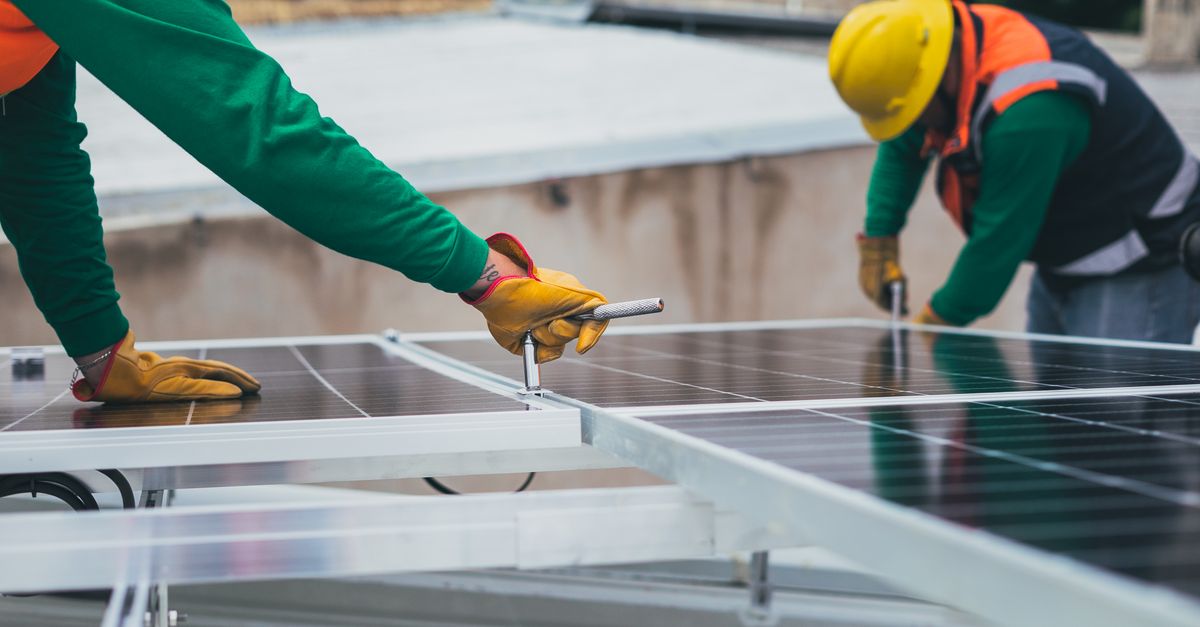
Proper installation of solar panels is crucial for maximising system performance and longevity. When positioned accurately, panels can capture sunlight more effectively throughout the day. This not only enhances energy production but also mitigates potential wear and tear caused by suboptimal angles. Ensuring that panels are properly aligned and securely mounted also reduces the risk of physical damage from environmental factors.
The installation process provides an opportunity to evaluate and address local shading issues. By assessing surrounding structures and vegetation, installers can make informed decisions on panel placement. This proactive approach decreases the likelihood of shadow interference, which can significantly impact overall energy output. A well-executed installation can yield better results, leading to increased savings on energy costs and a higher return on investment over time.
Ensuring Uninterrupted Sunlight Exposure
The placement of solar panels plays a crucial role in capturing maximum sunlight throughout the day. Strategic orientation towards the sun's path, typically from east to west, helps in harnessing sunlight during peak hours. Installing panels on rooftops that are unshaded by nearby structures or trees can significantly increase their exposure to sunlight. Careful consideration of seasonal variations in sun position ensures optimal performance year-round.
Regular maintenance is essential to prevent dust, debris, and other obstructions from diminishing panel efficiency. Cleaning the surface of the panels aids in maintaining their functionality and ensures maximum light absorption. Employing a professional service can help identify potential shading threats from nearby flora or building developments. Continuous monitoring of energy output can provide insights into how well panels maintain efficiency and highlight any issues that may arise due to shading.
Shading and Energy Output Analysis
The relationship between shading and energy output is crucial for understanding the overall efficiency of solar panel systems. Even partial shading can have a significant negative impact on energy production. If panels are only partially shadowed, the energy output can drop dramatically, often resulting in underperformance that does not align with expectations based on optimal conditions. Factors such as the time of day, season, and surrounding structures all contribute to the shading effect, making it essential to analyse specific scenarios to comprehend the magnitude of energy loss.
Case studies from various installations reveal the extent to which shading affects energy generation. For example, research indicates that a roof with a tree casting shade can lead to a decline of up to 50% in electricity production during peak hours. Conversely, locations allowing for maximum exposure to sunlight consistently yield greater energy outputs. Analysing these real-world examples helps shed light on the importance of precautionary measures, ensuring that installations are designed with shading considerations firmly in mind to optimise efficiency and energy capture.
Case Studies Demonstrating Effects
Numerous case studies illustrate the significant effects of shading on solar panel performance. Research conducted on installations in various Australian climates has shown that even minimal shading, caused by trees or adjacent buildings, can lead to a considerable decline in energy output. For instance, a study highlighted a solar array that experienced a 30% reduction in efficiency due to shading from nearby structures during peak sunlight hours. As a result, the financial returns on solar investments can be substantially diminished when these factors are not adequately considered.
Another analysis focused on solar farms located in rural areas with sparse vegetation provided insights into the benefits of proactive shading management. This study demonstrated that by strategically pruning trees and adjusting the layout of solar panels, operators could maximise sunlight exposure. These adjustments not only improved overall energy production but also influenced the longevity and reliability of the solar systems. The data from these cases underscores the critical importance of addressing shading challenges to ensure optimal solar panel efficiency and to realise the full potential of solar investments.
FAQS
How does shading affect solar panel efficiency?
Shading can significantly reduce the amount of sunlight that solar panels receive, which in turn lowers their energy output. Even partial shading can lead to a drop in efficiency, as it can affect the entire panel’s performance due to the way solar cells are interconnected.
What are some common sources of shading for solar panels?
Common sources of shading include trees, buildings, chimneys, and other structures that block sunlight. Seasonal changes in foliage and the sun’s angle can also contribute to shading issues throughout the year.
What strategies can be employed to mitigate shading issues on solar panels?
Strategies for mitigating shading issues include careful site analysis and planning before installation, optimising the panel placement to avoid obstructions, and considering the use of microinverters or power optimisers to manage the impact of shading on energy output.
How can proper installation benefit solar panel performance?
Proper installation ensures that solar panels are positioned for maximum sun exposure, reducing the likelihood of shading. It also includes the correct tilt and orientation, which can enhance energy output and overall efficiency.
Are there any case studies that demonstrate the effects of shading on solar panel energy output?
Yes, various case studies illustrate how shading impacts energy output. These studies often show quantifiable decreases in energy production related to different shading scenarios, helping to highlight the importance of addressing these issues during installation and maintenance.
Related Links
Addressing Hotspots and Their ConsequencesUnderstanding Inverter Malfunctions and Solutions
Managing System Performance During Extreme Temperatures
Strategies for Preventing Corrosion in Solar Components
Recognising Signs of Wear and Tear in Solar Installations
Resolving Issues with Module Connections
Diagnosing Decreased Energy Production in Solar Panels
Evaluating Impact of Weather Conditions on Solar Systems